Ignition Contact Points | Honda CB175 / CB200
Original price was: $9.60.$5.20Current price is: $5.20.
94 in stock
Description
Ignition Contact Points | Honda CB175 / CL175 / SL175 / CB200 / CL200
Pitted, corroded points are why a lot of 175s and 200s won’t hold a timing setting. Points are a wear item — the contact faces burn, the gap drifts, and the spark goes with it. A bike that has been sitting for years often needs a fresh set. These are replacements for both the styles Honda fitted.
Why You Need This
The points open and close to fire the ignition coil. As the faces pit, the gap drifts and your timing walks away from wherever you set it. Let it drift too wide and the bike gets hard to start. Worn, pitted contacts cost you power too.
The CB175 and CB200 run a single set of points. The 360-degree crank brings both pistons up together, so one point assembly fires both plugs and one set is the whole job. That is worth knowing if you have worked on a CB350 or CB360 before — those use a left and a right set on a 180-degree crank.
Which Style Do I Need?
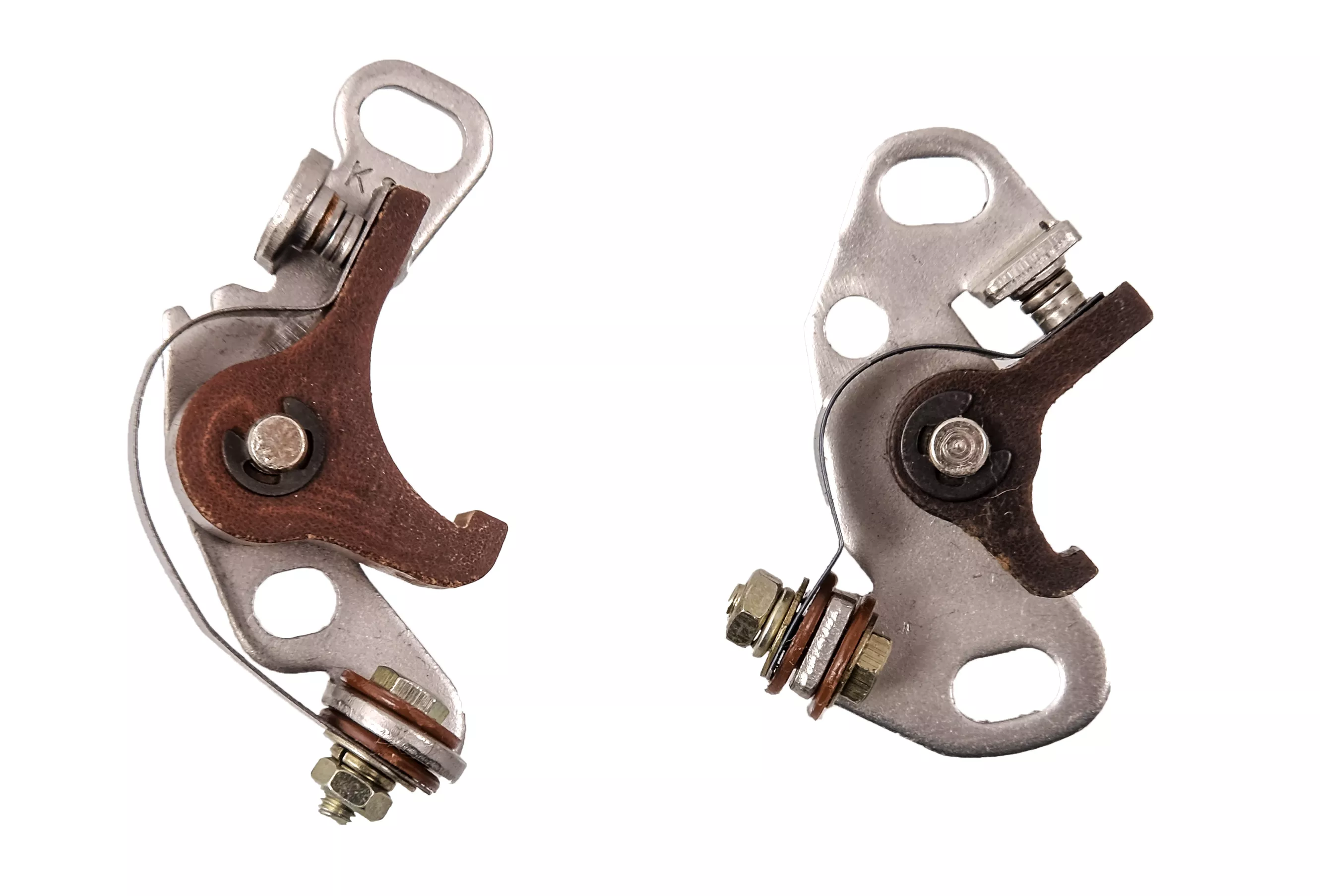
Honda sourced points from two manufacturers and fitted both concurrently, so the set you need depends on the plate already on your bike — not on the year. Pull the points cover and look at what is in there:
- Nippon-Denso (and the Toyo clone you will see referenced in some microfiche): the larger of the two, with a big rocker. The plate carries two protruding posts for timing and two cutouts on its edge, so its outline is not a perfect circle.
- Hitachi: physically smaller, with a smaller rocker and a little eccentric adjustment screw on the side that opens and closes the gap for you. Most points have no such feature — you wedge them with a screwdriver instead. The Hitachi plate is completely round with no edge indentions, and has an elongated hole for the cam adjustment screw.
Neither style is better than the other and neither is an upgrade. This is purely a matter of matching what is already bolted to your engine. Select your style from the options above.
Specifications
| Spec | Detail |
|---|---|
| Replaces OEM Parts | 30202-107-004, 30202-107-154, 30202-216-004, 30202-216-005 |
| Fits Models | CB175 K0 / K3–K7 (1968–1973), CL175 K0 / K3–K7 (1968–1973), SL175 K0–K1 (1970–1972), CB200 K0 (1973–1974), CB200T (1975–1976), CL200 (1974) |
| Point Gap | 0.012–0.016″ (0.3–0.4 mm) |
| Sold As | Sold individually — select your point style (Nippon-Denso or Hitachi) |
Note: Honda fitted both styles during the same production years, so you cannot pick by year alone. Check the plate before you order.
Installation
Difficulty: Intermediate
Tools needed: Feeler gauge, test light, 17 mm wrench, screwdriver
- Set the point gap before you set the timing. Timing set against a wrong gap will not hold.
- Rotate the generator rotor counterclockwise with a 17 mm wrench until the rubbing block sits on the high point of the cam. The advance cam on this family has two lobes, so there are two high spots roughly half a turn apart.
- Set the gap to 0.012–0.016″ with a feeler gauge. We set ours toward the tight end of that range.
- Clean lightly pitted contacts by folding a strip of sandpaper and working it between the faces. Points that are badly burnt should be dressed flat so the faces meet squarely, then washed clean of grit.
- Put a dab of grease on the points cam where the rubbing block rides, and lubricate the rocker on its shaft.
- Static-time with a test light. Clip it to the head of the mounting bolt only — not the plate, not the spring — then loosen the plate and rotate it until the light changes exactly as the F mark on the rotor meets the index mark. Re-check through a full revolution.
- Before you close it up, check that the advance mechanism behind the plate swings freely and that the advancer pin is not worn.
Kill the power between adjustments. With the ignition and kill switch on, the coil is energized and sitting there heating up while you work.
Related products
-
- Sale!
- hot sale
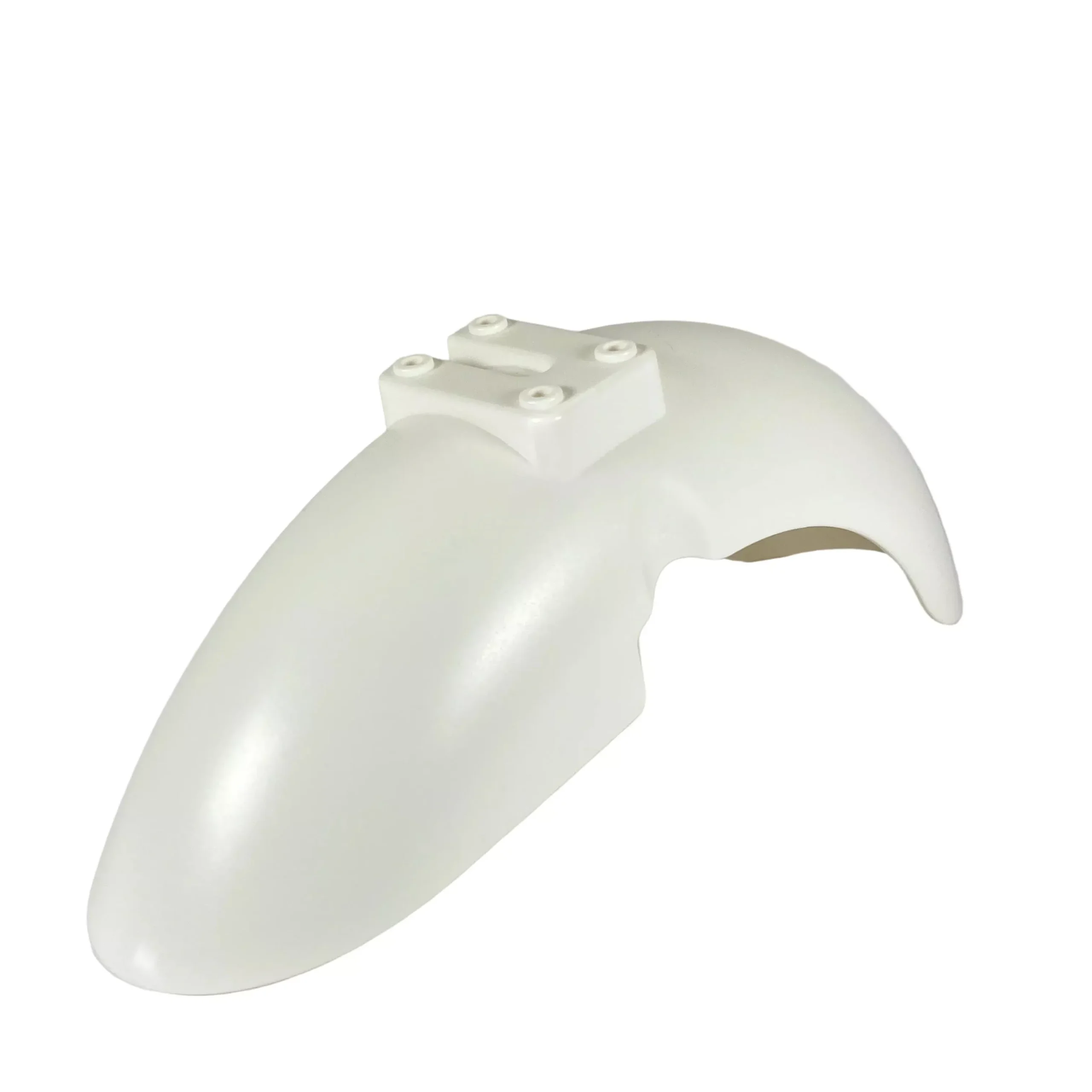
Yadea KS3 & KS3 Lite Front Fender – White OEM Replacement
- Original price was: $4.00.$2.47Current price is: $2.47.
- Add to cart
-
- Sale!
- hot sale
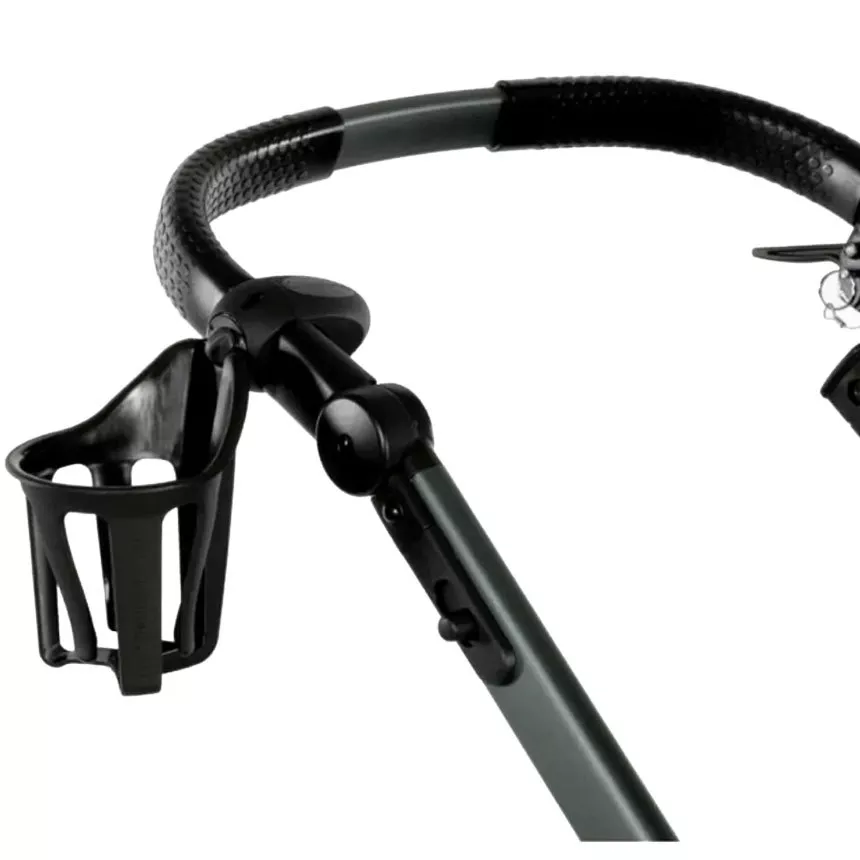
Cup Holder Universal Mount Kit
- Original price was: $28.80.$21.70Current price is: $21.70.
- Add to cart
-
- Sale!
- hot sale
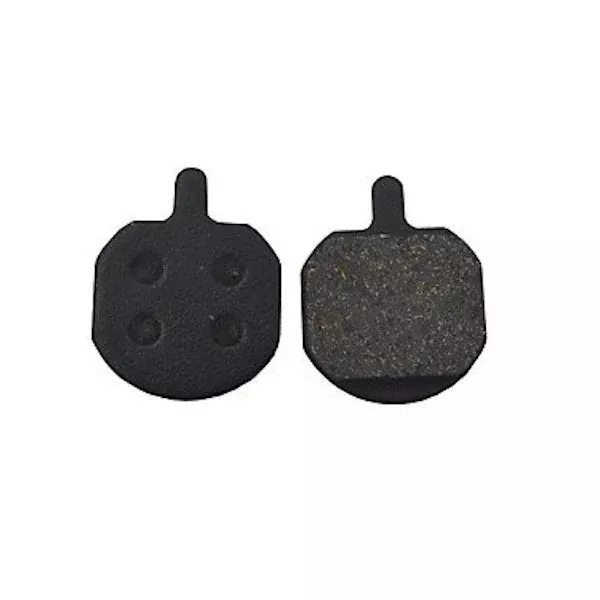
Disc brake pads (Bengal – Gen 2.0)
- Original price was: $15.16.$11.29Current price is: $11.29.
- Add to cart
-
- Sale!
- hot sale
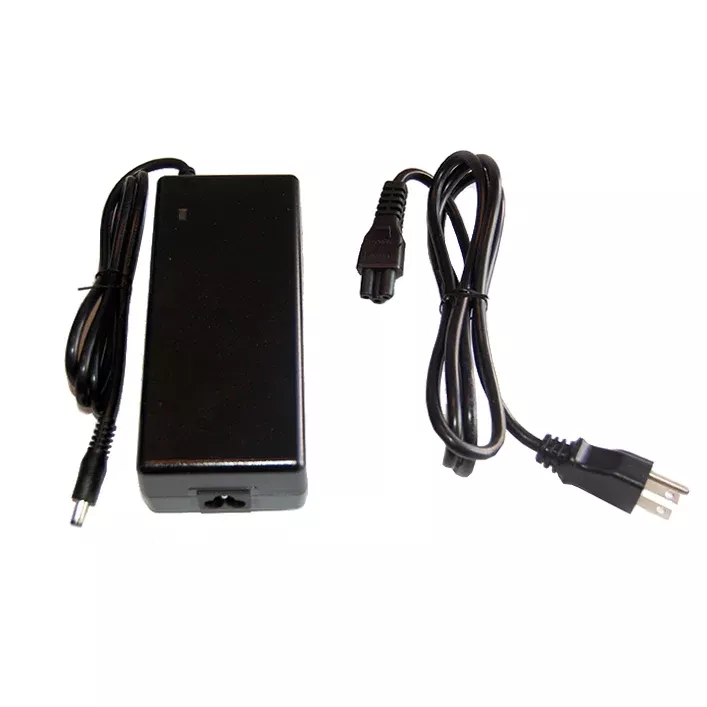
Battery charger UL/ USA (Gen 2.0)
- Original price was: $19.96.$12.07Current price is: $12.07.
- Add to cart
-
- Sale!
- hot sale
Yadea Elite Prime & KS Series AC Charging Cord (OEM)
- Original price was: $3.20.$1.80Current price is: $1.80.
- Add to cart
-
- Sale!
- hot sale
YADEA COCOA REAR WHEEL ASSEMBLY
- Original price was: $199.20.$102.45Current price is: $102.45.
- Add to cart
-
- Sale!
- hot sale
Yadea KS3 & KS3 Lite Front Fender – Yellow OEM Replacement
- Original price was: $4.00.$3.14Current price is: $3.14.
- Add to cart
-
- Sale!
- hot sale
Inner tube for 12.5″ tire (Gen 2.0)
- Original price was: $12.00.$6.78Current price is: $6.78.
- Add to cart