Ignition Contact Points | Honda CT90 / Trail 90
Original price was: $9.60.$7.67Current price is: $7.67.
84 in stock
Description
Ignition Contact Points | Honda CT90 / Trail 90
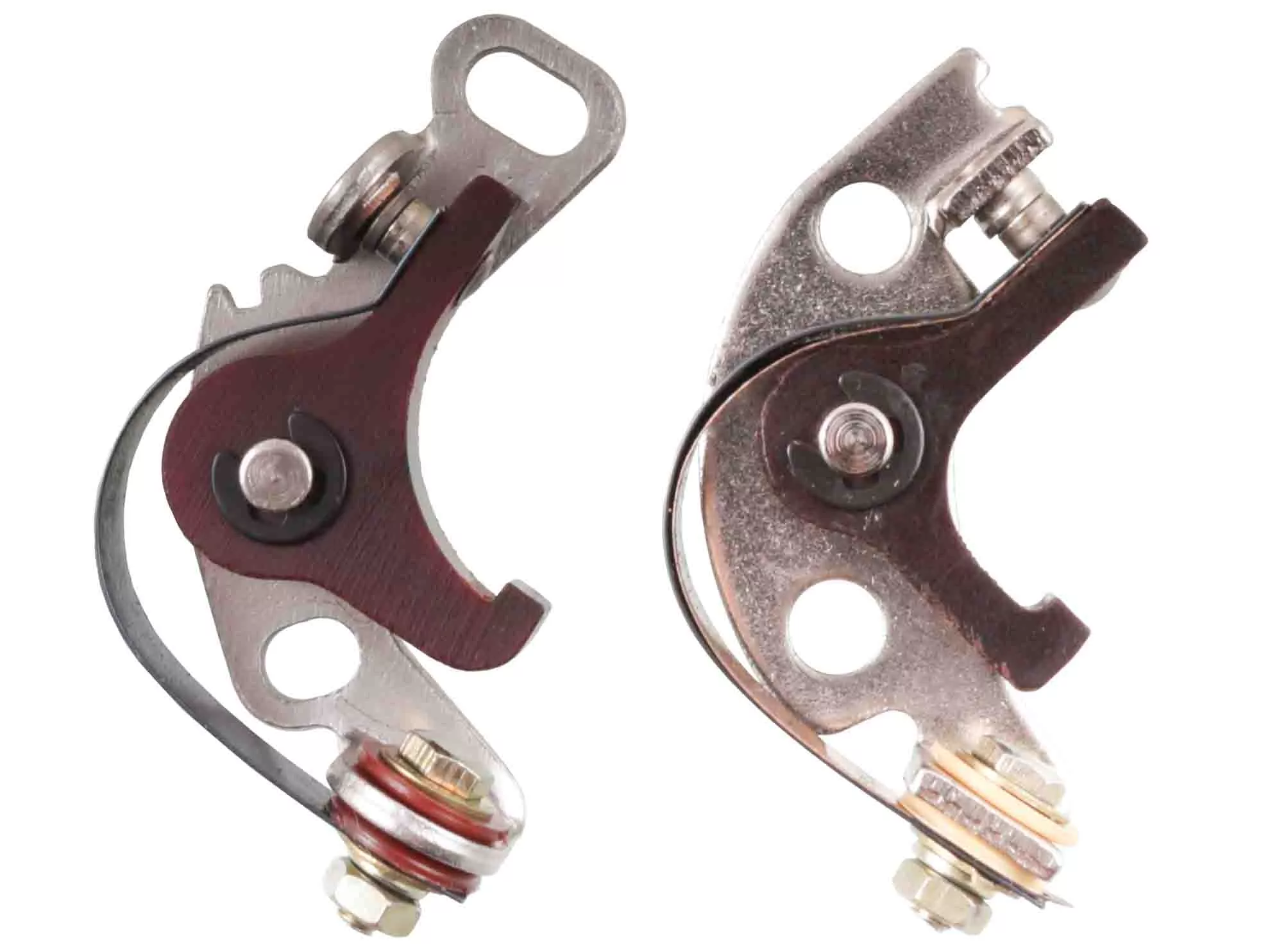
Worn or pitted contact points are one of the most common reasons a CT90 runs rough, drifts out of time, or won’t start. A fresh set gives you clean surfaces for a strong, consistent spark. These are the direct replacement points for the Trail 90, offered in both the Nippon-Denso and Kokusan styles Honda used.
Why You Need This
The contact points open and close to fire your ignition coil. As they wear, the surfaces pit and the gap drifts, which throws off your timing and weakens the spark. You’ll feel it as hard starting, a rough idle, and a bike that won’t pull the way it should.
The CT90 runs a battery ignition, not a magneto, so a strong charged battery and properly set points are what get it firing. Honda fitted two different points styles during production, so check which one your bike has before ordering.
Which Style Do I Need?
Pull the points cover and look at the mounting holes — the set you need depends on the points plate already on your bike:
- Nippon-Denso (Toyo / TEC): the more common style, with an elongated, oval mounting hole. This is what most CT90s use.
- Kokusan: usually the earlier production style, with two round mounting holes in line with the follower pivot.
Select your style from the options above. If you’re not sure, the oval-hole Nippon-Denso style fits the majority of bikes.
Specifications
| Spec | Detail |
|---|---|
| Replaces OEM Parts | 30202-028-003, 30202-107-004, 30202-107-154, 30202-216-004 |
| Fits Models | CT90 / Trail 90 (1966–1978), K0 through K9 |
| Point Gap | 0.012–0.016″ (0.3–0.4 mm) |
| Sold As | Set — select your point style (Nippon-Denso or Kokusan) |
Installation
Difficulty: Intermediate
Tools needed: Feeler gauge, test light, 6V battery, screwdriver
- Remove the points cover and the crankshaft inspection cap.
- Rotate the generator counterclockwise until the point gap is at its widest, where the tick marks on the advance cam line up with the follower.
- Set the contact point gap to 0.012–0.016″ with a feeler gauge.
- Set the gap before you set the timing. Then static-time the ignition with a test light and a 6V battery, turning the rotor until the light kicks off as the “F” mark lines up with the index mark on the compression stroke.
- Dab a little grease on the points cam where the rubbing block rides to extend its life.
- Check that the advance mechanism behind the plate moves freely.
Watch your grounding: the points wire terminal must contact only the mounting bolt. If it touches the point body, the plate, or gets pinched under the points cover, it grounds out and the bike won’t fire.
Related products
-
- Sale!
- hot sale
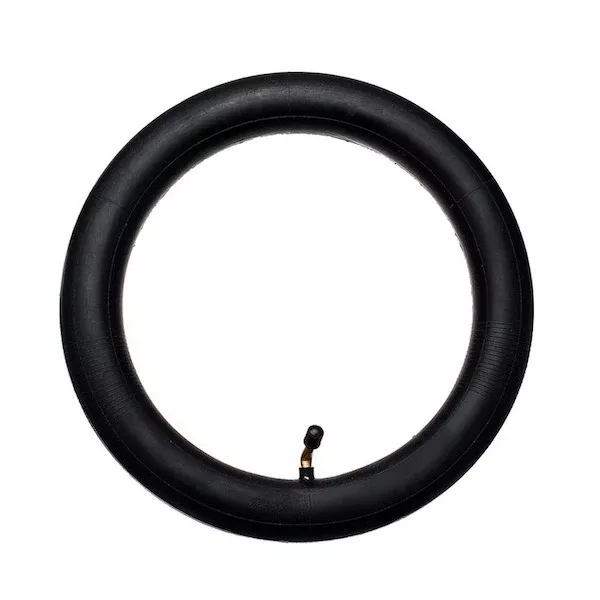
Inner tube for 12.5″ tire (Gen 2.0)
- Original price was: $12.00.$6.78Current price is: $6.78.
- Add to cart
-
- Sale!
- hot sale
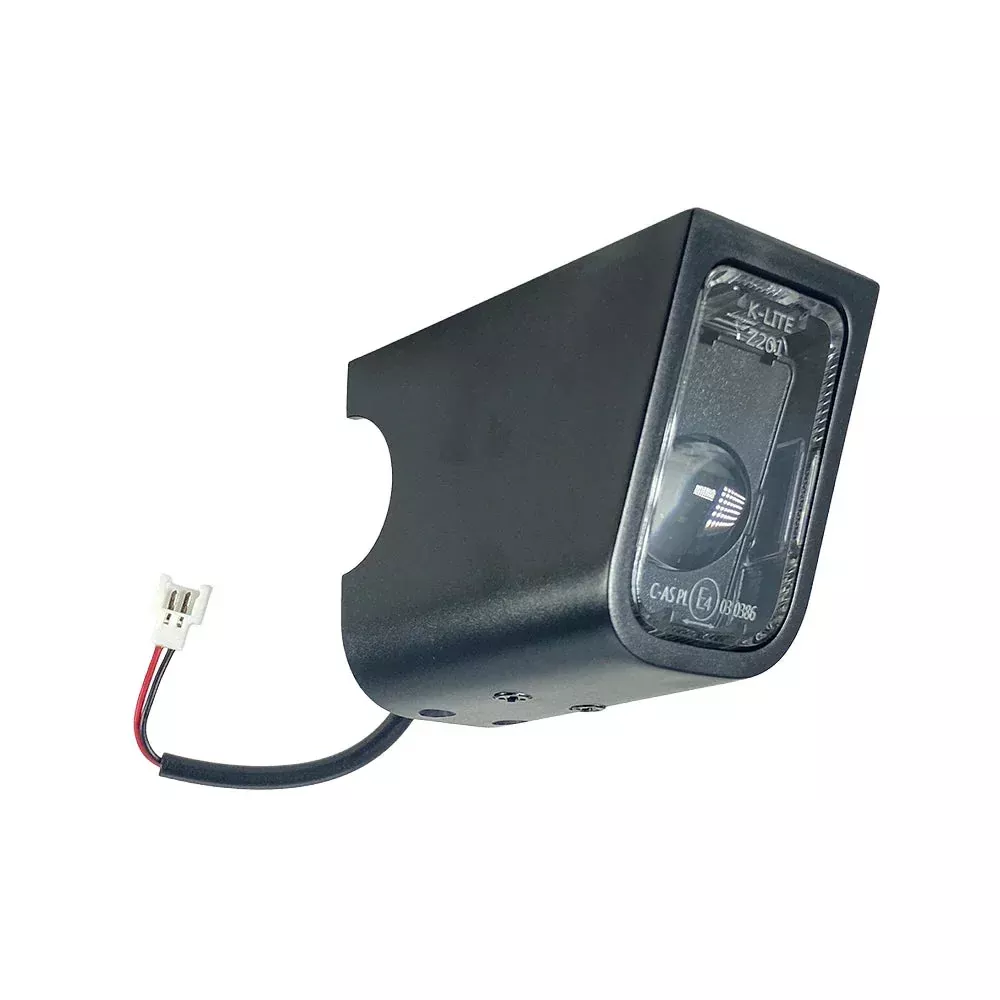
Yadea KS3, KS5 & KS5 Pro LED Headlight – Genuine OEM
- Original price was: $7.20.$4.00Current price is: $4.00.
- Add to cart
-
- Sale!
- hot sale
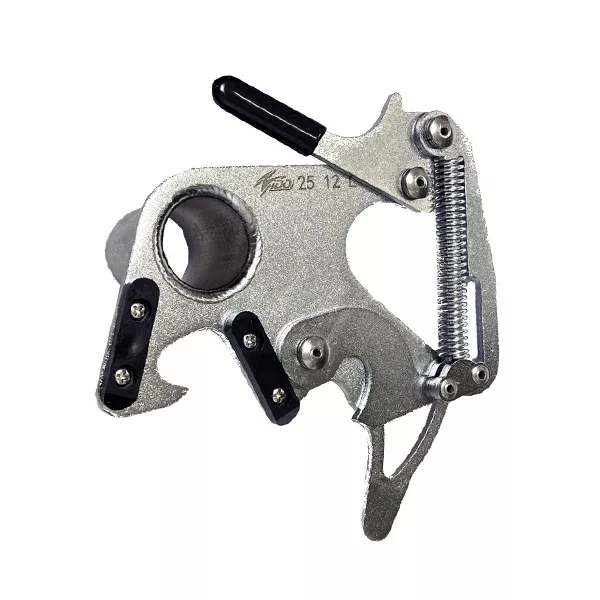
Coupler plate -QR attachment mechanism (sold per side)
- Original price was: $59.96.$39.98Current price is: $39.98.
- Add to cart
-
- Sale!
- hot sale
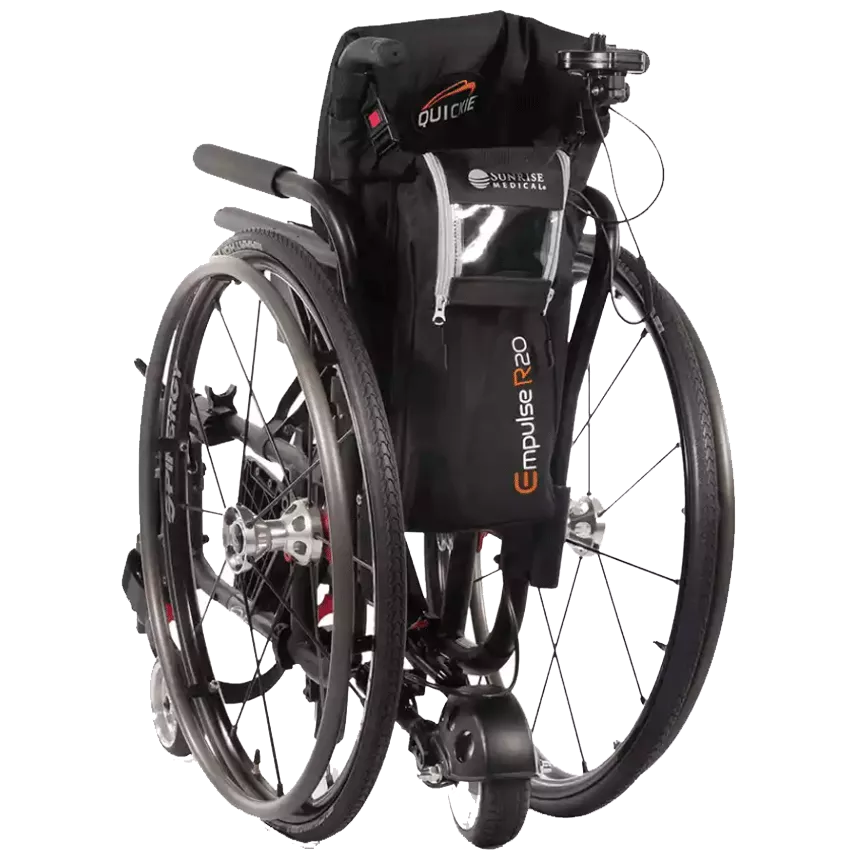
Empulse R20 Power Assist
- Original price was: $1,567.80.$1,164.94Current price is: $1,164.94.
- Add to cart
-
- Sale!
- hot sale
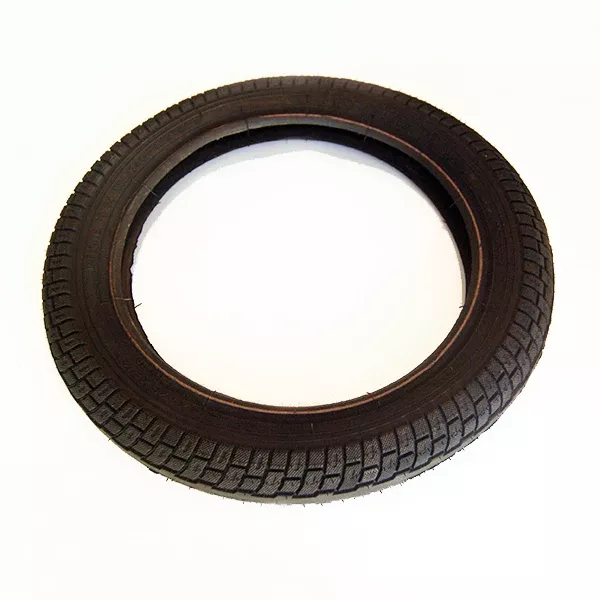
Standard tire 12.5″ (Gen 2.0)
- Original price was: $20.00.$11.59Current price is: $11.59.
- Add to cart
-
- Sale!
- hot sale
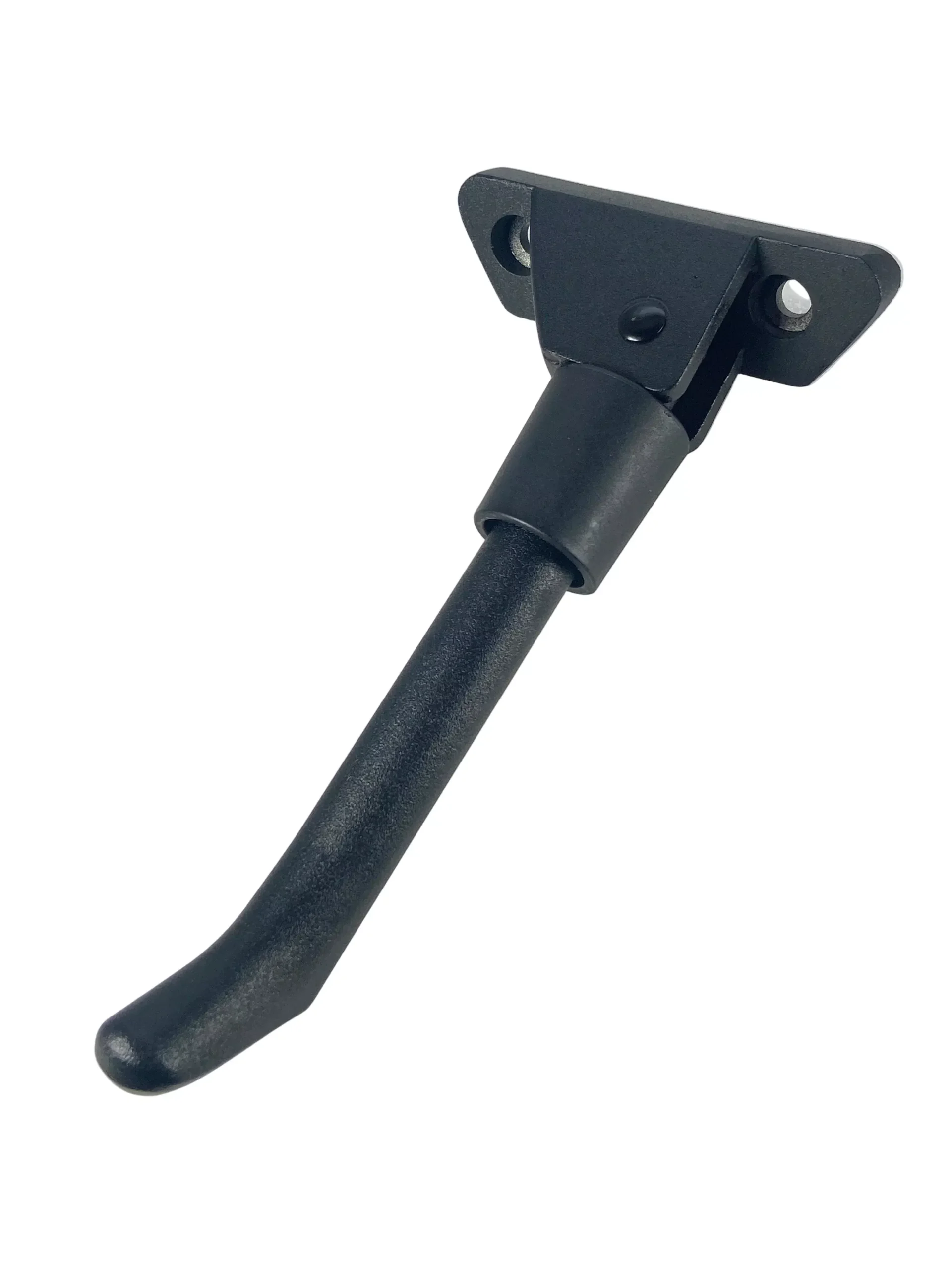
Yadea KS5 & KS5 Pro Kickstand – Genuine OEM
- Original price was: $7.20.$4.60Current price is: $4.60.
- Add to cart
-
- Sale!
- hot sale
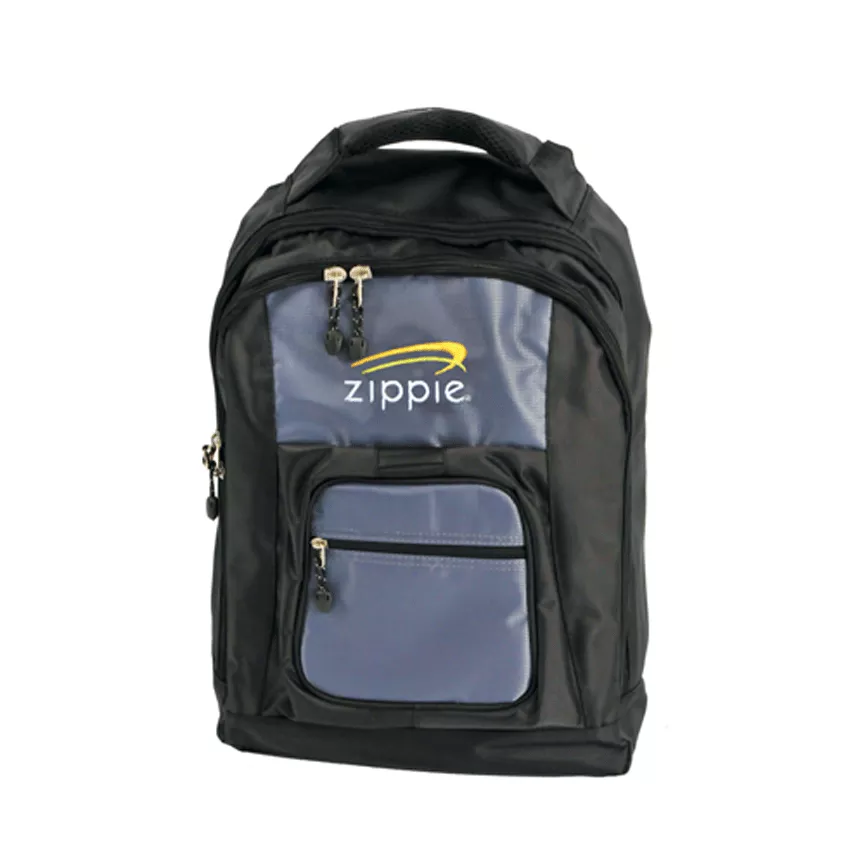
Zippie Backpack
- Original price was: $68.00.$42.63Current price is: $42.63.
- Add to cart
-
- Sale!
- hot sale
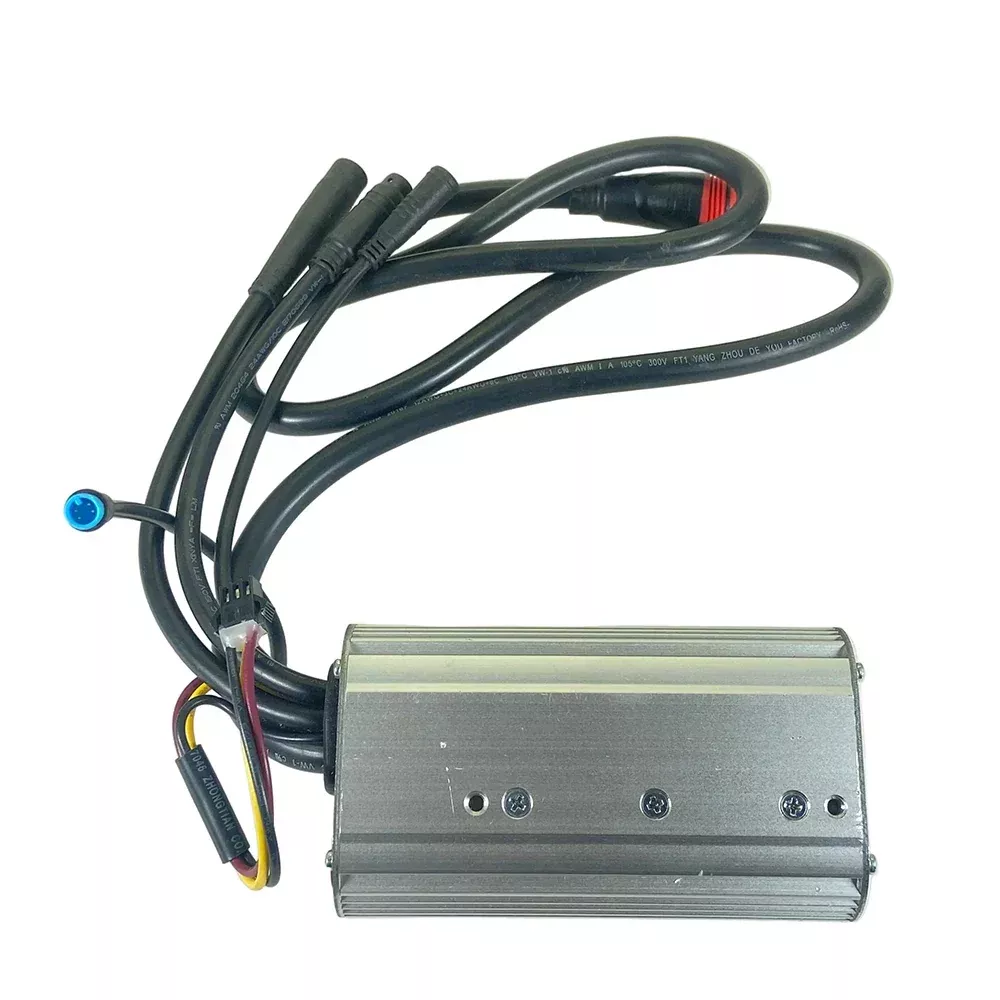
Genuine Yadea Trooper 01/Trooper Plus Motor Controller – OEM
- Original price was: $88.00.$55.16Current price is: $55.16.
- Add to cart