Tapered Roller Steering Bearings | Honda CB175 / CL175 / CB200
Original price was: $52.00.$31.29Current price is: $31.29.
45 in stock
Description
Tapered Roller Steering Bearings | Honda CB175 / CL175 / SL175 / CB200 / CL200
The steering head on your 175 or 200 turns on loose steel balls held in grease between two cone races. This kit replaces the whole arrangement, upper and lower, with tapered roller bearings.
Why You Need This
Honda packed 18 steel balls into the upper race and another 18 into the lower one. Nothing holds them in place, which is why they scatter the moment the adjuster nut comes off. It is a design that worked, and on most of these bikes it has been working untouched since the factory.
What you get after fifty years is a headset full of dried grease and pitted races. Honda’s own troubleshooting for hard steering points at two things: bearings that are damaged, and a cone race that has been over-tightened. Both feel the same from the saddle — heavy, notchy steering that fights you off center.
Tapered rollers spread the same load along a cone-shaped race rather than through a row of individual contact points, and because the rollers sit in a cage, the bearing stays together in your hand instead of ending up on the floor.
Specifications
| Spec | Detail |
|---|---|
| Fits Models | CB175 (1969–1973), CL175 (1968–1973), SL175 (1970–1972), CB200 (1973–1976), CL200 (1974) |
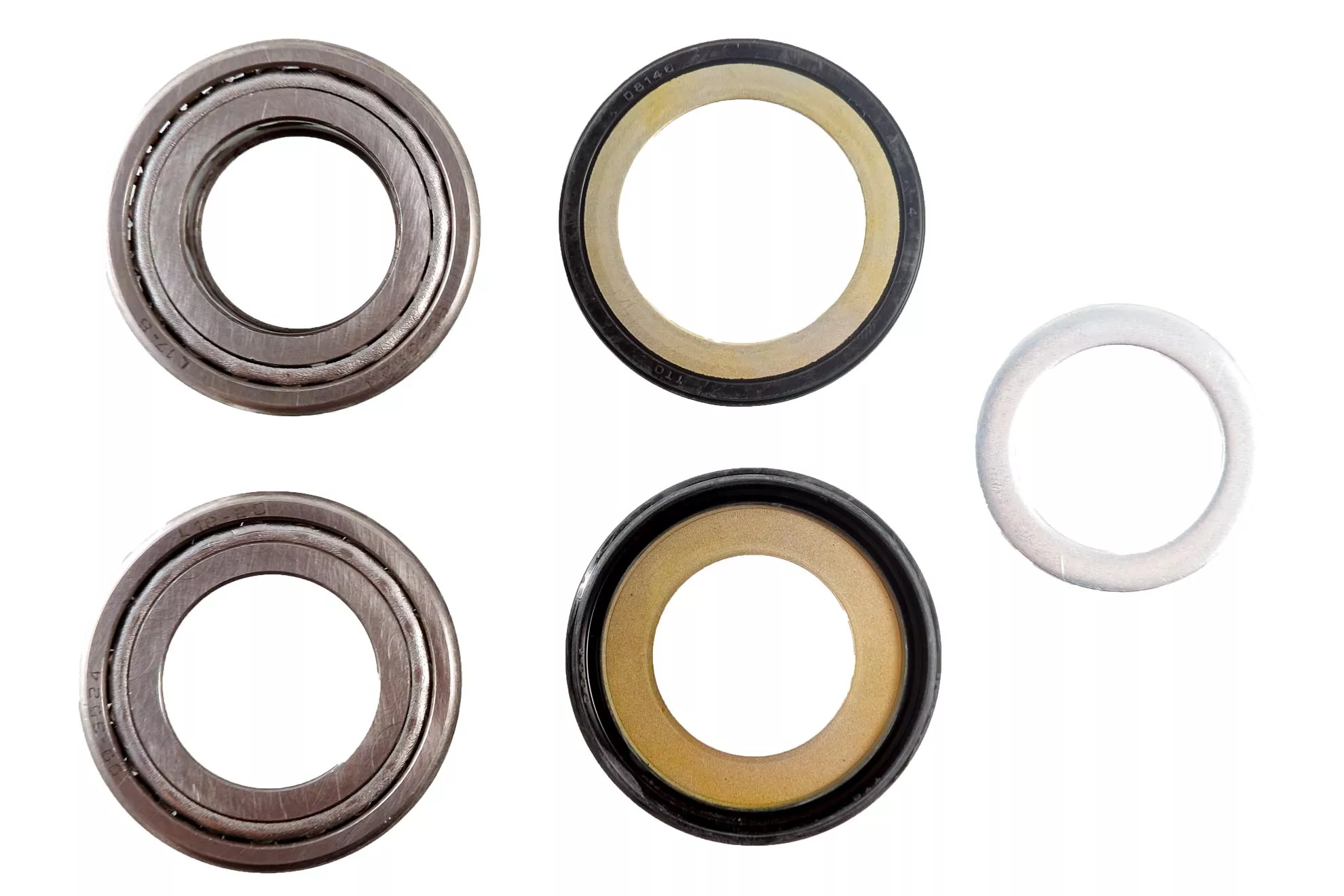
| Type | Tapered roller bearings with steel races, dust shields and spacers |
| Sold As | Complete set — upper and lower bearings, upper and lower races, dust shields and spacers |
Model-Specific Notes
- SL175: yes, this is the right kit. The SL175 shares the headset with the CB175 and CL175.
- CL200: also covered. The 200 twins use the same steering head as the 175s.
- CB350 and up: this is not your kit. The CB350 through CB750 family takes a different set — the bearings are not shared between the two families.
What’s in the Kit
- Upper and lower tapered roller bearings
- Upper and lower bearing races
- Dust shields
- Spacers
Note: use the thinner of the two spacers on Honda applications. The small-diameter washer is not used, so having one left over at the end is normal and not a sign you have missed a step.
Installation
Difficulty: Intermediate
Tools needed: a pin spanner for the steering head top thread, a long punch and a stout hammer, a driver or a length of pipe sized to the bearing’s inner race, and wheel bearing grease.
- Strip the front end down to the triple trees. Both the fork tubes and the front wheel have to come out to reach the steering head.
- Drive the original ball races out of the frame, and drive the pressed-on race off the triple tree stem. A long punch and a stout hammer make this much easier, and the races need to come out evenly rather than cocked to one side.
- Inspect what you have exposed. If the cones or races are worn, Honda’s instruction is to replace the cones, races and balls as a set rather than piecemeal — which is what this kit does.
- Chill the new races before you fit them. Cold, they drop in with very little persuasion.
- Pack both bearings with grease before anything goes back together. Work it through by hand until it squeezes out of the top.
- Build the lower stack in order: the thinner spacer first, then the dust seal with its flat side down and the lip facing up, then the bearing itself.
- Drive the bearing on by its inner race only. Striking the cage will distort it and ruin the bearing.
- Set the stem into the head pipe, fit the upper bearing and seal, and thread the top nut down. Hand-tighten it while turning the stem so it rotates freely with no rattle. There should be no play in the vertical direction at all.
- Refit the fork tubes, fender, headlight and front wheel before you take a final setting on the top nut, so the triple trees stay aligned. The bars should turn freely lock to lock, neither tight nor loose.
The upper bearing is the one with the smaller inner diameter and the lower has the larger. The dust shields follow the same pattern, so lay everything out before you start.
Expect to reset the adjustment after your first ride. Tapered rollers bed in and take up the slack left during assembly, so the steering will feel looser than when you set it. A gentle nip up is normally all it needs.
Related products
-
- Sale!
- hot sale
Empulse M90 Power Assist
- Original price was: $3,816.00.$2,767.31Current price is: $2,767.31.
- Add to cart
-
- Sale!
- hot sale
Chair clamp shim set
- Original price was: $9.60.$5.71Current price is: $5.71.
- Add to cart
-
- Sale!
- hot sale
Yadea KS5 & KS5 Pro Kickstand – Genuine OEM
- Original price was: $7.20.$4.60Current price is: $4.60.
- Add to cart
-
- Sale!
- hot sale
Battery charger UL/ USA (Gen 2.0)
- Original price was: $19.96.$12.07Current price is: $12.07.
- Add to cart
-
- Sale!
- hot sale
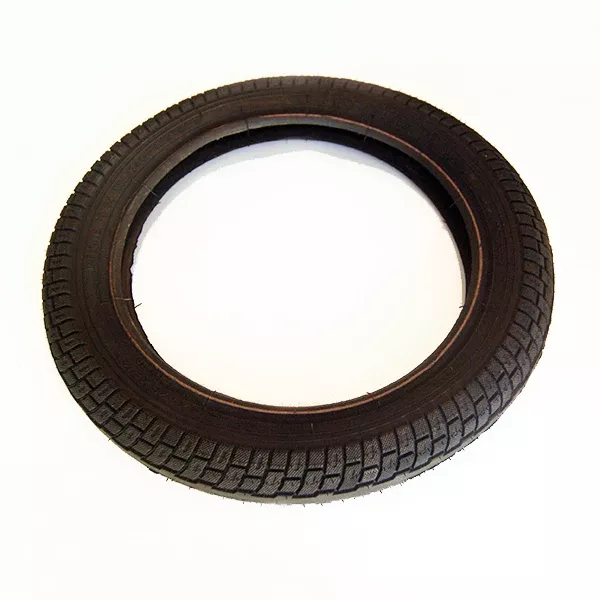
Standard tire 12.5″ (Gen 2.0)
- Original price was: $20.00.$11.59Current price is: $11.59.
- Add to cart
-
- Sale!
- hot sale
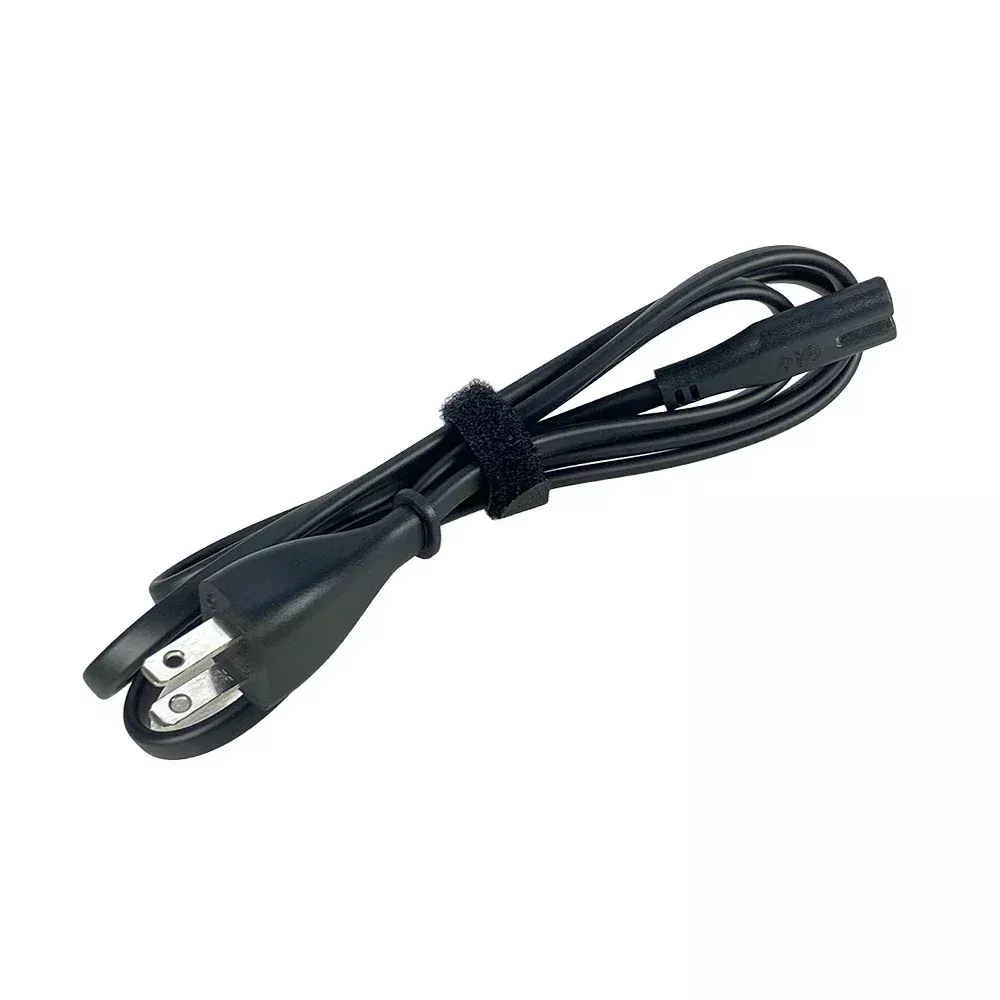
Yadea Elite Prime & KS Series AC Charging Cord (OEM)
- Original price was: $3.20.$1.80Current price is: $1.80.
- Add to cart
-
- Sale!
- hot sale
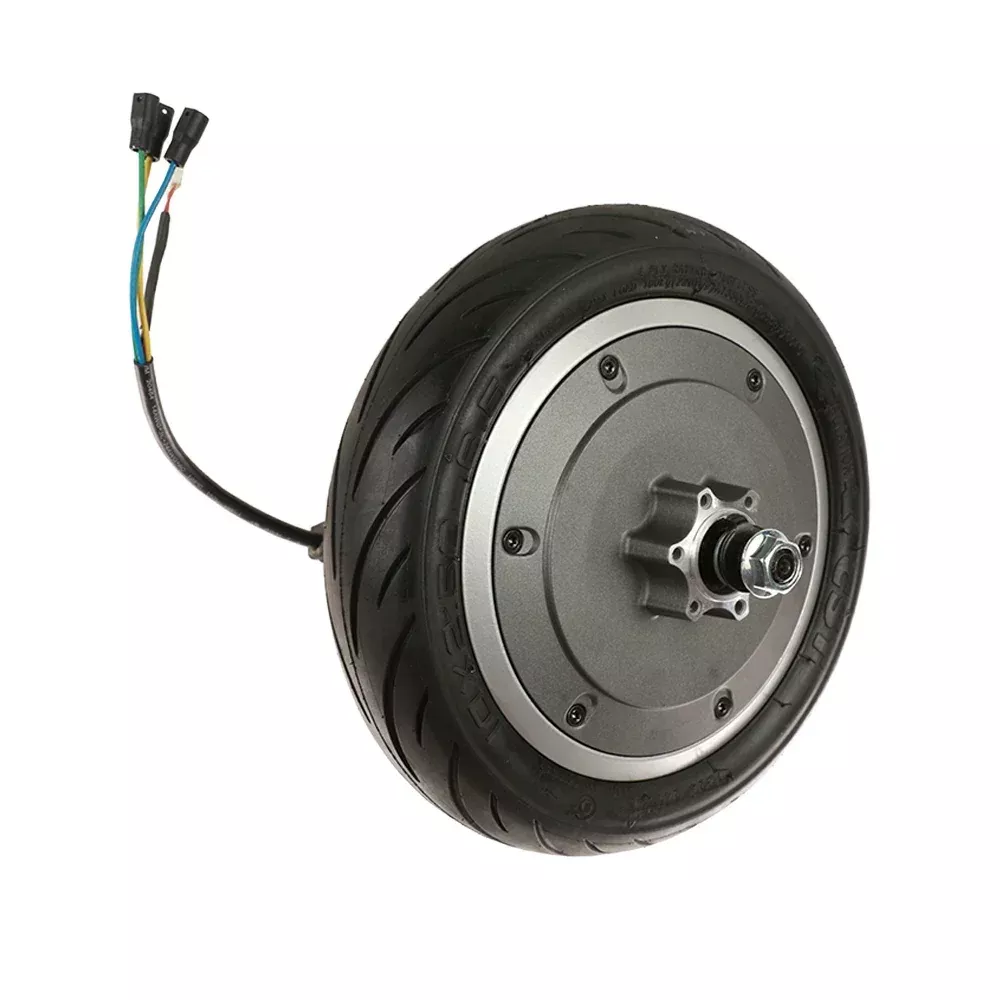
Yadea KS6 Pro Rear Hub Motor w/ Tire – Genuine OEM
- Original price was: $130.40.$99.99Current price is: $99.99.
- Add to cart
-
- Sale!
- hot sale
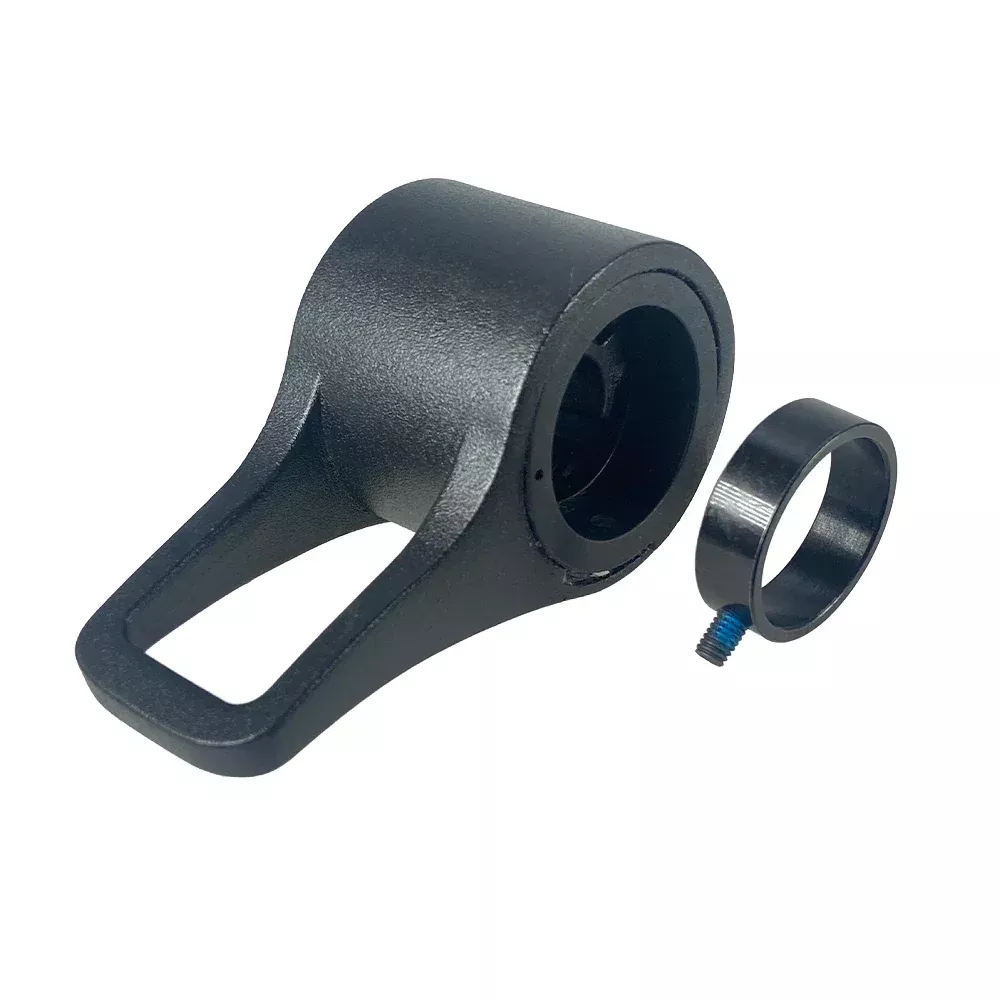
Yadea KS5/KS5 Pro Folding Latch Buckle – Genuine OEM
- Original price was: $6.40.$4.96Current price is: $4.96.
- Add to cart